Can Industrial Effluent Be Converted into Biogas? A Guide to Energy Recovery
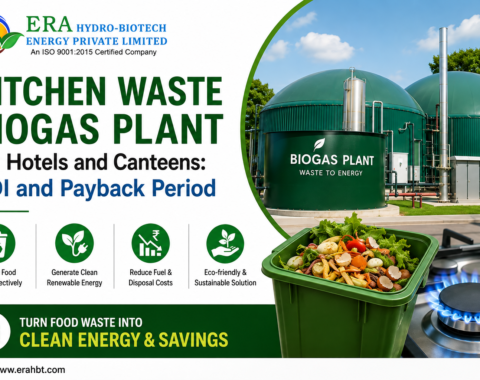
Industrial effluent to biogas offers industries a way to treat wastewater and recover energy from its organic content. Instead of treating wastewater only as a waste stream, industries can explore how suitable effluent can produce biogas through anaerobic treatment.
Many industries use large amounts of energy to run boilers, pumps, heating systems and production equipment. At the same time, some factories release wastewater that contains organic matter. When this wastewater has the right properties, a suitable treatment system can help recover energy while treating the effluent.
But can every type of industrial wastewater produce biogas? No. The results depend on the wastewater’s organic content, flow, temperature and other factors.
In this guide, we explain how industrial effluent to biogas works, which industries can benefit, how an industrial biogas plant supports wastewater treatment, and what companies should check before investing.
What Is Industrial Effluent to Biogas?
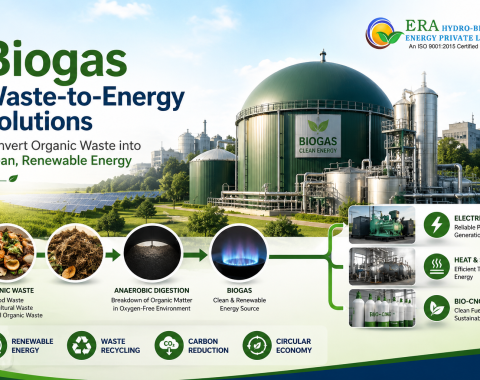
Industrial effluent to biogas means using the organic matter in industrial wastewater to produce biogas through a biological process called anaerobic digestion.
In this process, microorganisms break down suitable organic matter without oxygen. They produce biogas, which mainly contains methane and carbon dioxide.
Industries can use the methane-rich gas as a fuel for suitable heating systems or, with the right equipment, for electricity generation.
An industrial effluent treatment plant can combine wastewater treatment with energy recovery when the wastewater contains enough biodegradable organic matter.
In simple terms: suitable industrial wastewater enters an anaerobic treatment system, microorganisms break down organic matter, and the process produces biogas while reducing the wastewater’s organic load.
However, the system still needs further treatment steps if the effluent must meet discharge or reuse standards.
How Does Industrial Effluent Become Biogas?
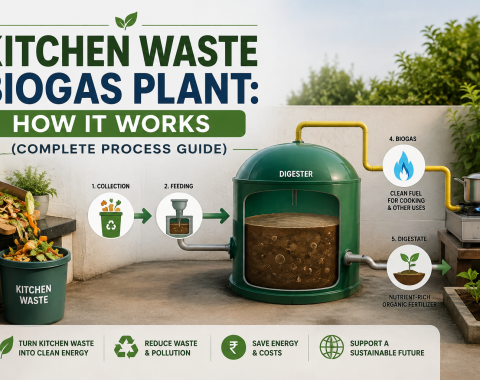
An industrial wastewater-to-biogas system follows several steps. The exact process depends on the type of industry, wastewater quality and treatment goals.
1. Collect and test the wastewater
The first step is to understand the wastewater.
A treatment specialist checks:
- Wastewater flow and daily volume
- Chemical Oxygen Demand (COD)
- Biochemical Oxygen Demand (BOD)
- pH and temperature
- Suspended solids
- Toxic chemicals or substances that may affect microorganisms
COD indicates the amount of oxygen needed to chemically break down substances in water. A high COD value may indicate a large amount of organic matter, but it does not prove that the wastewater can produce useful biogas.
The team must also check how much of that organic matter microorganisms can break down.
2. Remove materials that can affect treatment
The wastewater may need screening, settling or other pre-treatment before anaerobic digestion.
This step helps remove unwanted solids and materials that may block pipes, damage equipment or disturb the biological process.
Some industrial effluents also need pH adjustment or other treatment before they enter the anaerobic reactor.
3. Feed the wastewater into an anaerobic reactor
The pre-treated wastewater enters an anaerobic reactor.
Inside the reactor, microorganisms break down biodegradable organic matter without oxygen. Different groups of microorganisms work together to convert complex organic compounds into simpler substances and, finally, biogas.
Industries may use different anaerobic technologies based on their wastewater characteristics and treatment needs. These can include:
- Upflow Anaerobic Sludge Blanket (UASB) reactors
- Anaerobic filters
- Expanded or fluidized-bed anaerobic systems
- Other suitable high-rate anaerobic treatment systems
A qualified engineer should select the system after reviewing wastewater test results and the required treatment performance.
4. Collect and manage the biogas
The reactor produces biogas, which the system collects and sends for gas treatment.
Raw biogas may contain moisture and hydrogen sulphide. These substances can damage equipment or create safety risks if the plant does not manage them properly.
A suitable gas-handling system may include moisture removal, hydrogen sulphide control, gas storage, pressure control and safety equipment.
The plant can then use the treated gas in a suitable boiler, burner or biogas-based power system, depending on gas quality and project design.
5. Treat the remaining wastewater
Anaerobic treatment does not always remove every pollutant.
The treated wastewater may need further steps, such as aerobic biological treatment, clarification, filtration or other polishing processes.
An industrial effluent treatment plant must meet the relevant discharge or reuse requirements. The final treatment design depends on the industry’s wastewater and the applicable consent conditions.
Which Industries Can Convert Effluent into Biogas?
Industries that release wastewater with a high level of biodegradable organic matter may have good potential for energy recovery.
Food and beverage processing
Food factories may release wastewater containing sugars, starch, oils and other organic materials.
Suitable wastewater from dairy processing, breweries, food manufacturing and beverage production may support anaerobic treatment. However, the plant must account for fats, cleaning chemicals, changing production loads and other factors.
Sugar and distillery industries
Sugar processing and distillery operations can produce wastewater with a high organic load.
Some of these waste streams may support biogas production, but the design must consider their specific composition, temperature, acidity and treatment requirements.
Pulp and paper industries
Certain pulp and paper wastewater streams contain biodegradable organic matter. Anaerobic treatment may suit some of these streams, but chemicals, fibres and other compounds can affect performance.
Pharmaceutical and chemical industries
Some pharmaceutical and chemical wastewater streams contain organic compounds, but they may also contain substances that inhibit microorganisms.
These industries need careful testing before they consider anaerobic digestion. A high COD value alone does not make the wastewater suitable for biogas production.
What Factors Affect Biogas Production?
An industrial biogas plant needs the right conditions to work well. The following factors affect gas production and treatment performance.
Biodegradable organic content
Microorganisms need organic matter that they can break down.
Wastewater with a high COD may offer good potential, but the biodegradable share matters more than the total COD alone.
Wastewater flow and consistency
A plant needs a clear understanding of daily flow and changes in wastewater quality.
Sudden changes in organic load can disturb the biological process. Industries should review their production schedules and wastewater patterns before they size the system.
pH and temperature
Anaerobic microorganisms work best within suitable pH and temperature ranges.
Large changes can slow the process or affect biogas production. The plant may need temperature control or pH adjustment, depending on the wastewater.
Toxic or inhibitory substances
Certain solvents, disinfectants, heavy metals, salts and other chemicals can harm anaerobic microorganisms.
The project team should identify these substances and determine whether the industry needs pre-treatment, separate wastewater collection or another treatment method.
Reactor design and operation
The reactor must match the wastewater’s flow, organic load and treatment needs.
Good operation also requires regular monitoring, trained staff, proper gas handling and maintenance.
Benefits of Industrial Effluent to Biogas
When the wastewater suits anaerobic treatment, energy recovery can offer several benefits.
1. Recover energy from organic waste
The plant can convert part of the wastewater’s biodegradable organic content into biogas.
Industries may use this gas as a fuel for suitable equipment. This can reduce the need for some purchased fuels, depending on gas production and how the facility uses it.
2. Reduce the organic load before further treatment
Anaerobic treatment can reduce biodegradable organic matter in suitable wastewater.
This may lower the load on downstream treatment stages. The actual reduction depends on wastewater quality and system performance.
3. Support resource recovery
The process helps industries view wastewater as a possible resource rather than only a disposal problem.
However, energy recovery does not remove the need to treat wastewater safely or follow environmental requirements.
4. Improve resource efficiency
Industries that recover useful energy from wastewater may improve overall resource efficiency.
They should assess the energy used by the treatment system, gas cleaning, heating, pumping and other equipment to understand the net benefit.
5. Support environmental goals
A well-designed system may reduce the need for some external energy sources and help manage organic waste.
The overall carbon impact depends on the energy replaced, methane leakage, treatment performance and other emissions. Companies should measure these factors before making carbon-neutrality claims.
Is an Industrial Biogas Plant a Good Investment?
An industrial biogas plant may offer financial benefits, but every project needs a site-specific assessment.
Before investing, industries should review:
- The amount of wastewater available each day
- The biodegradable COD in the wastewater
- Expected biogas production
- The cost of reactor construction and gas-handling equipment
- Energy requirements for pumps, heating and treatment
- The cost of wastewater pre-treatment and final polishing
- Operation, maintenance and staff costs
- How the facility can use the recovered gas
A project may look attractive when the wastewater has a high biodegradable organic load and the industry can use the recovered gas close to where it produces it.
However, low organic content, toxic compounds, changing wastewater quality or high operating costs can reduce the benefits.
Do not estimate payback using COD alone. A reliable estimate needs wastewater test results, a realistic gas-yield estimate, the expected gas use and the full project cost.
How to Choose the Right Industrial Effluent Treatment Plant
Industries should select a treatment system based on their wastewater and compliance needs, not only on its biogas potential.
Before choosing an industrial effluent treatment plant, consider these points:
- Test the wastewater: Check COD, BOD, pH, temperature, solids and possible inhibitory substances.
- Set the treatment goal: Identify whether the plant needs to discharge treated water, reuse it or meet specific industry requirements.
- Assess energy recovery: Estimate whether anaerobic treatment can produce enough useful biogas to support the project.
- Plan the complete treatment train: Include pre-treatment, anaerobic digestion, downstream treatment and sludge management.
- Review operation and maintenance: Confirm that the facility can manage the equipment, biological process and gas safety.
- Check compliance needs: Design the plant around the applicable pollution-control requirements and site-specific consent conditions.
ERA Hydro-Biotech provides water and wastewater treatment solutions for industrial and commercial applications. Industries can explore its ETP and ZLD solutions when planning wastewater treatment and its biogas and waste-to-energy solutions when assessing energy recovery opportunities.
How ERA Hydro-Biotech Can Help
ERA Hydro-Biotech Energy Pvt. Ltd. offers water, wastewater and bioenergy solutions for industrial and commercial needs.
For an industry considering industrial effluent to biogas, the first step is to understand the wastewater’s characteristics and treatment goals.
A suitable project assessment can help identify:
- Whether the wastewater contains enough biodegradable organic matter
- Whether anaerobic treatment may fit the treatment process
- What pre-treatment and downstream treatment the facility may need
- Whether the site can use the recovered biogas
- What operating and compliance factors the project must address
ERA Hydro Biotech effluent treatment and ZLD solutions and biogas and waste-to-energy solutions provide relevant starting points for industries exploring these options.
Planning industrial wastewater treatment or energy recovery? Contact ERA Hydro-Biotech to discuss your wastewater flow, COD levels, treatment needs and potential for biogas recovery.