Kitchen Waste Biogas Plant for Hotels and Canteens: ROI and Payback Period
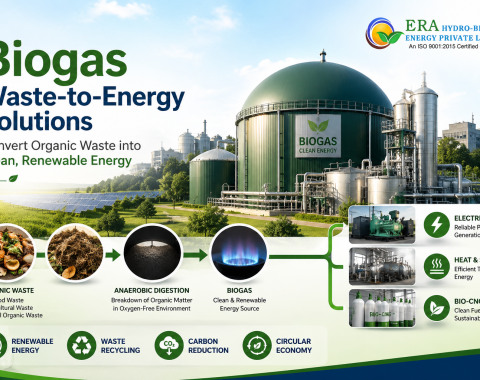
Hotels, restaurants, corporate canteens, hospitals, and large kitchens produce a steady amount of food waste every day. Sending this waste to landfills increases disposal costs and creates an avoidable waste-management problem.A kitchen waste biogas plant offers a practical way to treat this organic waste while producing useful renewable energy. The system uses anaerobic digestion to convert biodegradable kitchen waste into biogas, which can support cooking, heating, electricity generation, or other energy needs.
But an important question remains: Is a kitchen waste biogas plant financially viable for a hotel or canteen?
The answer depends on factors such as daily food waste, plant size, energy use, installation cost, operating cost, and the value of the energy produced.
What Is a Kitchen Waste Biogas Plant?
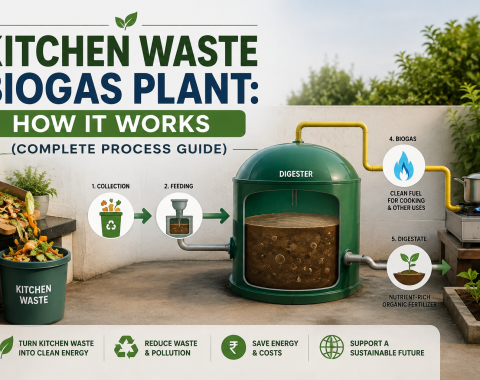
A kitchen waste biogas plant converts food and other biodegradable kitchen waste into biogas through controlled anaerobic digestion.
The basic process includes:
- Collection and segregation of food waste
- Removal of unwanted materials
- Waste shredding and pre-treatment
- Anaerobic digestion
- Biogas generation
- Gas storage and energy use
- Digestate handling
The produced biogas contains methane and can provide a useful source of renewable energy.
A food waste biogas plant can also help hotels and canteens reduce the quantity of organic waste sent for external disposal.
How Does It Work in a Hotel or Canteen?
A typical system follows a simple process:
Kitchen Waste → Segregation → Pre-Treatment → Anaerobic Digestion → Biogas → Energy Use
Hotels and canteens can collect vegetable waste, cooked food waste, fruit waste, and other suitable biodegradable materials.
The waste then enters the digester, where microorganisms break down the organic material without oxygen. This process produces biogas and digestate.
The biogas can be used for:
- Kitchen cooking
- Boiler heating
- Steam generation
- Electricity generation
- Other suitable heating applications
ERA Hydro-Biotech designs biogas systems based on factors such as waste quantity, waste type, energy demand, and operational requirements.
What Determines the ROI of a Kitchen Waste Biogas Plant?
The ROI of a kitchen waste biogas plant does not depend only on the plant purchase price. A proper feasibility study should consider the complete operating picture.
1. Daily Food Waste Quantity
More consistent organic waste usually means better plant utilisation.
A hotel producing a large quantity of food waste every day can recover more energy than a small kitchen with irregular waste generation.
2. Energy Value of the Biogas
The financial benefit depends on how the hotel uses the generated biogas.
For example, replacing purchased LPG, natural gas, electricity, or other fuels can create direct savings.
3. Plant Installation Cost
The investment can vary according to:
- Daily waste capacity
- Digester size
- Pre-treatment system
- Gas storage
- Automation
- Energy recovery equipment
- Civil work
- Installation requirements
4. Operating and Maintenance Costs
Regular cleaning, monitoring, feeding, maintenance, and equipment servicing affect the overall payback period.
5. Waste Disposal Savings
A food waste biogas plant can reduce the amount of organic waste that requires external disposal. This can create an additional financial benefit.
How to Calculate Payback Period
A simple way to estimate the payback period is:
Payback Period = Total Project Investment ÷ Annual Savings
Annual savings can include:
Fuel Savings + Electricity Savings + Waste Disposal Savings − Annual Operating Costs
Example
Suppose a hotel invests ₹15 lakh in a suitable biogas system.
If the system generates combined annual savings of approximately ₹5 lakh, the simple payback calculation would be:
₹15 lakh ÷ ₹5 lakh = 3 years
This is only an illustrative example. Actual ROI and payback depend on the hotel’s waste quantity, energy consumption, system design, operating conditions, and local costs.
Therefore, hotels should request a site-specific feasibility and ROI calculation before purchasing a system.
Key Benefits for Hotels and Canteens
A kitchen waste biogas plant can provide both financial and operational benefits.
Lower Fuel Costs
Hotels can use recovered biogas for suitable cooking, heating, boiler, or energy applications. This can reduce dependence on purchased fuel.
Lower Waste Disposal Costs
Treating food waste on-site can reduce the quantity of organic waste requiring external collection and disposal.
Better Waste Management
The system creates a structured process for handling biodegradable kitchen waste instead of treating it only as disposal material.
Renewable Energy Generation
Biogas turns organic waste into a usable energy source. ERA Hydro-Biotech states that its systems support applications such as electricity generation, boiler heating, cooking fuel, steam generation, and industrial heating.
Digestate Recovery
The digestion process also produces digestate that can be used as an organic nutrient source for suitable agriculture or landscaping applications.
Is a Food Waste Biogas Plant Suitable for Your Hotel?
A food waste biogas plant can make financial sense when a facility produces enough suitable organic waste consistently.
Before investing, check:
- How much kitchen waste do you generate per day?
- Is the waste properly segregated?
- How much do you currently spend on waste disposal?
- How much LPG or other fuel do you consume?
- Where can the biogas be used?
- How much space is available for installation?
- What level of automation do you require?
A professional assessment can help select the right capacity instead of installing an oversized or undersized system.
Why Choose an Experienced Biogas Plant Manufacturer?
Plant design directly affects gas production, operation, maintenance, and long-term performance.
ERA Hydro-Biotech provides biogas and waste-to-energy solutions for hotels, restaurants, commercial kitchens, food industries, institutions, and other facilities. Its systems cover organic waste pre-treatment, anaerobic digestion, biogas recovery, and energy utilisation.
The company can assess your waste quantity and energy requirements before recommending a suitable solution.
Frequently Asked Questions
How much kitchen waste is required for a biogas plant?
The required waste quantity depends on the plant capacity and system design. A site assessment should determine the appropriate plant size based on consistent daily waste generation.
What can biogas from kitchen waste be used for?
Biogas can support cooking, heating, steam generation, boiler applications, or electricity generation, depending on the system design and gas quality.
How long is the payback period?
There is no fixed payback period for every project. It depends on investment cost, daily waste quantity, energy savings, disposal savings, operating costs, and how effectively the generated biogas is used.
Is a kitchen waste biogas plant suitable for hotels?
Yes. Hotels with consistent food waste and suitable energy demand can evaluate an on-site biogas system to recover energy from organic waste.
Can ERA Hydro-Biotech design a customised system?
Yes. ERA Hydro-Biotech designs biogas solutions based on waste quantity, waste type, energy demand, and operational goals.
Turn Kitchen Waste into Useful Energy
A kitchen waste biogas plant can help hotels and canteens move from simple waste disposal to resource recovery. It can combine organic waste treatment, energy recovery, and potential operating-cost savings in one system.
The right investment starts with accurate waste measurement and a practical ROI study.
Planning a food waste biogas plant for your hotel, restaurant, or canteen? Contact ERA Hydro-Biotech for a customised biogas and waste-to-energy solution.