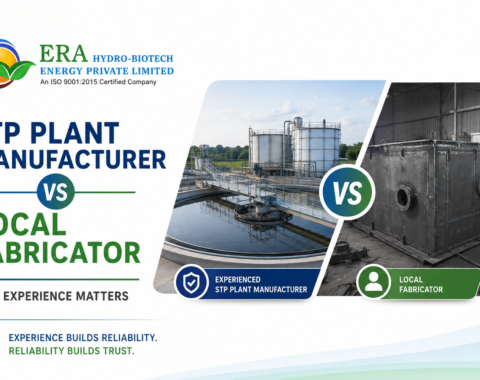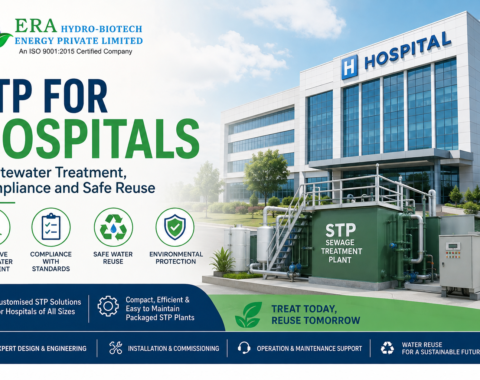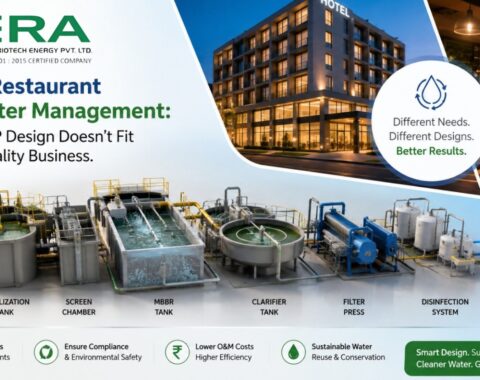
Why Choose an Experienced Sewage Treatment Plant Supplier in Pune?
Choosing the right sewage treatment plant supplier in Pune helps you manage wastewater, meet pollution control requirements, reduce operating costs, and reuse treated water. An experienced supplier can help you select the right plant, plan the installation, and maintain the system for years.
Pune has a wide range of residential projects, IT parks, hotels, hospitals, factories, and commercial buildings. These places produce wastewater every day. Without proper treatment, wastewater can harm the environment and create problems for property owners.
A reliable sewage treatment plant (STP) supplier helps you choose a suitable solution based on your daily wastewater volume, available space, water reuse needs, and budget.
In this guide, we explain why experience matters, what to check before choosing an STP supplier, and how to select the right sewage treatment solution for your property.
What Does a Sewage Treatment Plant Supplier Do?
A sewage treatment plant supplier helps businesses and property owners treat wastewater from toilets, bathrooms, kitchens, and other domestic sources. Depending on the project, the supplier may provide plant design, equipment, installation, testing, commissioning, and maintenance services.
A good supplier helps you:
- Estimate the daily sewage volume.
- Select the right treatment technology.
- Plan the plant layout and equipment.
- Install pumps, blowers, tanks, and treatment units.
- Meet applicable wastewater discharge and reuse requirements.
- Arrange regular maintenance and technical support.
Before purchasing a sewage treatment plant, check whether the supplier can support your project from planning to operation.
7 Reasons to Choose an Experienced Sewage Treatment Plant Supplier in Pune
1. Get the Right STP Capacity for Your Project
Every building produces a different amount of sewage. A residential society may have hundreds of residents, while a hotel or hospital may produce wastewater at different rates throughout the day.
An experienced sewage treatment plant supplier in Pune assesses factors such as:
- Number of residents, employees, guests, or users.
- Estimated daily wastewater generation.
- Peak sewage flow.
- Available installation space.
- Required treated-water quality.
- Future expansion plans.
These details help the supplier recommend a suitable plant capacity.
Why does this matter? An undersized plant may struggle during peak flow. An oversized plant may increase equipment and operating costs. Proper planning helps you avoid both problems.
2. Choose the Right Sewage Treatment Technology
Different projects need different treatment methods. An experienced supplier explains the available options and helps you choose a system that fits your wastewater characteristics, space, budget, and maintenance needs.
Common sewage treatment technologies include:
- MBBR (Moving Bed Biofilm Reactor): Uses special media to support microorganisms that break down organic pollutants.
- MBR (Membrane Bioreactor): Combines biological treatment with membrane filtration to produce high-quality treated water.
- SBR (Sequencing Batch Reactor): Treats sewage in timed batches using different treatment stages in the same tank.
Each technology has its own space, energy, operating, and maintenance requirements. Ask the supplier to explain these differences before making a purchase.
3. Consider a Packaged STP Plant for Limited Space
A packaged STP plant offers a compact sewage treatment solution for projects that need a planned, integrated system. Suppliers may offer prefabricated or modular units that simplify installation, depending on the site and design.
A packaged sewage treatment plant can suit:
- Residential apartments and housing societies.
- Hotels and resorts.
- Hospitals and healthcare facilities.
- Offices and commercial buildings.
- Schools and institutional campuses.
Key benefits may include a compact layout, faster on-site installation, and easier integration of treatment equipment. Actual installation time and space requirements depend on the plant design and site conditions.
Before ordering a packaged STP plant, confirm its treatment capacity, construction material, equipment specifications, access for maintenance, and expected treated-water quality.
4. Plan Installation and Commissioning Properly
Installing an STP involves more than placing tanks and connecting pipes. The project may need site preparation, civil work, electrical connections, drainage lines, ventilation, equipment installation, and safety arrangements.
An experienced supplier coordinates these tasks and helps reduce installation errors.
Ask your supplier whether the project includes:
- Site assessment and layout planning.
- Equipment supply and installation.
- Electrical and piping connections.
- Testing and commissioning.
- Operator guidance.
- Operating manuals and maintenance schedules.
A clear scope of work helps you understand what the supplier will deliver and which activities require separate contractors.
5. Support Applicable Pollution Control Requirements
Property owners must check the wastewater discharge, treatment, and reuse requirements that apply to their project. Requirements may vary according to the type of facility, project approvals, consent conditions, and local regulations.
An experienced supplier can help you understand the treatment targets and identify the equipment and monitoring arrangements needed for your project.
Before finalising the order, ask about:
- Applicable Maharashtra Pollution Control Board (MPCB) requirements.
- Required treated-water quality and discharge limits.
- Sampling and testing arrangements.
- Plant monitoring and operating records.
- Any project-specific approval conditions.
Do not rely only on a supplier’s verbal assurance of compliance. Review the technical proposal and confirm the applicable requirements with the relevant authority or qualified professional.
6. Reduce Long-Term Operating and Maintenance Costs
The purchase price is only one part of the total cost of an STP. Electricity, chemicals where required, labour, sludge handling, spare parts, and regular servicing also affect the long-term budget.
An experienced sewage treatment plant supplier helps you understand these costs before you invest.
To compare suppliers, ask for details about:
- Expected power consumption.
- Pump and blower specifications.
- Routine maintenance requirements.
- Availability and cost of spare parts.
- Sludge handling and disposal.
- Warranty and after-sales support.
- Annual maintenance contract (AMC) options.
A plant with a lower initial price may cost more to operate over time. Compare the total expected cost of ownership rather than choosing only by the purchase price.
7. Get Reliable After-Sales Service
An STP needs regular checks to work properly. Problems with aeration, pumps, blowers, treatment performance, or sludge handling can affect the quality of treated water.
A dependable supplier provides clear guidance on maintenance and helps you arrange technical support when needed.
Before selecting a supplier, ask:
- Who will respond if the plant stops working?
- How quickly can the service team reach your site?
- Does the supplier provide operator training?
- Are spare parts readily available?
- Can the supplier offer preventive maintenance?
- What does the warranty cover?
Reliable after-sales service helps reduce downtime and supports consistent plant performance.
Which Projects Need a Sewage Treatment Plant in Pune?
Different facilities have different wastewater treatment needs. A supplier should assess each project before recommending a system.
Residential Buildings and Housing Societies
Apartments and housing societies produce sewage from toilets, bathrooms, kitchens, and common facilities. An STP can treat this wastewater for approved non-potable uses, such as toilet flushing and gardening, when the treated water meets the required quality standards.
Hotels and Restaurants
Hotels produce wastewater from guest rooms, kitchens, laundry areas, and other services. The supplier should assess wastewater quantity and quality, including any additional treatment needs for kitchen wastewater.
Hospitals
Hospitals need careful wastewater assessment because their wastewater may contain pollutants that require special handling or additional treatment. The supplier should review the facility’s specific requirements before proposing a system.
IT Parks and Commercial Buildings
Office buildings, business parks, and shopping centres may reuse treated water for flushing, landscaping, and other suitable non-drinking uses. A properly designed STP can help reduce demand for fresh water.
Industrial Facilities
Factories may produce both domestic sewage and industrial wastewater. These streams do not always require the same treatment process. A qualified supplier should assess the wastewater characteristics and determine whether a separate effluent treatment plant (ETP) is also necessary.
How to Choose the Best Sewage Treatment Plant Supplier in Pune
Before placing an order, compare suppliers using the following checklist.
1. Review relevant project experience. Ask about installations for buildings or facilities similar to yours. Request project references where available.
2. Check the technical proposal. Review the proposed capacity, treatment process, equipment list, expected output quality, and operating requirements.
3. Compare packaged STP plant options. Confirm dimensions, materials, installation needs, access for maintenance, and future expansion options.
4. Understand the complete cost. Ask for a clear breakdown of equipment, installation, civil work, electrical work, commissioning, and recurring expenses.
5. Confirm service support. Check warranty terms, preventive maintenance, operator training, and spare-part availability.
6. Review compliance requirements. Ensure that the proposal addresses the applicable discharge or reuse standards and project approvals.
7. Ask for a site assessment. A site visit can help the supplier understand the available space, access, drainage layout, and practical installation limits.
Use these checks to compare proposals fairly instead of selecting a supplier based only on price.
Why Consider ERA Hydro-Biotech for Sewage Treatment Solutions?
ERA Hydro-Biotech Energy Pvt. Ltd. provides water and wastewater treatment solutions. When evaluating a supplier for your project in Pune, discuss your sewage treatment needs with the team and request a proposal based on your site conditions.
The right proposal should address:
- Your estimated daily sewage volume.
- Suitable treatment technology and plant capacity.
- Installation and commissioning requirements.
- Treated-water reuse goals.
- Operating and maintenance needs.
- Applicable wastewater quality requirements.
ERA Hydro-Biotech’s sewage treatment plant solutions page provides a starting point for exploring its STP offerings.
Explore the solutions: Sewage Treatment Plants (STP) by ERA Hydro-Biotech
Contact the team to discuss your project requirements, request a site assessment, and obtain a suitable technical and commercial proposal.
Frequently Asked Questions
1. How do I choose a sewage treatment plant supplier in Pune?
Choose a supplier that understands your wastewater volume, site conditions, treatment needs, and budget. Review its relevant project experience, technical proposal, installation scope, maintenance support, and warranty terms before making a decision.
2. What is a packaged STP plant?
A packaged STP plant is an integrated sewage treatment system supplied as a compact or modular unit. It can suit projects with limited space, depending on the design and treatment capacity. Confirm the required site work, output quality, and maintenance access before purchasing one.
3. How much does a sewage treatment plant cost in Pune?
The cost depends on treatment capacity, technology, construction material, equipment, site preparation, installation, and commissioning. Operating expenses also affect the total cost. Request a site-specific quotation that separates installation costs from recurring expenses.
4. Which STP technology is best for an apartment building?
MBBR, MBR, and SBR may suit apartment buildings, depending on sewage volume, available space, treated-water requirements, budget, and maintenance resources. A site assessment and wastewater-flow estimate help determine the best option.
5. Can treated sewage water be reused?
Yes. Properly treated sewage water can support suitable non-potable uses, such as toilet flushing and landscaping, when it meets the applicable quality standards. The system should include suitable storage, distribution, and monitoring arrangements.
6. How often does a sewage treatment plant need maintenance?
An STP needs routine checks of pumps, blowers, aeration, sludge levels, and treated-water quality. The exact schedule depends on the technology, operating conditions, and manufacturer’s guidance. Follow a documented preventive maintenance plan.
7. Does a sewage treatment plant require MPCB approval?
Requirements depend on the facility, applicable regulations, project approvals, and consent conditions. Check the current requirements with the Maharashtra Pollution Control Board or a qualified environmental professional before installation and operation.
Conclusion
Choosing an experienced sewage treatment plant supplier in Pune helps you plan the right capacity, select suitable technology, manage installation, and prepare for long-term maintenance. It also helps you assess applicable wastewater quality requirements and identify practical water reuse opportunities.
Whether you need a conventional STP or a packaged STP plant for an apartment, hotel, hospital, office, or industrial facility, compare suppliers on technical capability, project experience, total cost, and after-sales service.
Planning a sewage treatment project in Pune? Explore ERA Hydro-Biotech’s STP solutions and contact the team to discuss your requirements and request a project-specific proposal.