Low Rainfall in Maharashtra: How Can Rainwater Harvesting Help Improve Water Security?
Maharashtra experienced a weak 2026 monsoon, with rainfall shortages putting pressure on water supplies in several areas. Pune has also faced dry conditions, and recent reports highlight concerns about reservoir supplies and the need to manage water carefully. These conditions show why apartments, housing societies, and businesses need to plan ahead for periods of limited rainfall.
Rainwater harvesting offers a practical way to collect and use rain instead of letting it flow away. Apartment buildings, housing societies, commercial properties, and industries can collect rooftop rain, store it for suitable uses, or use it to recharge groundwater. Rainwater harvesting for apartments can help reduce dependence on outside water supplies and improve water management during dry months.
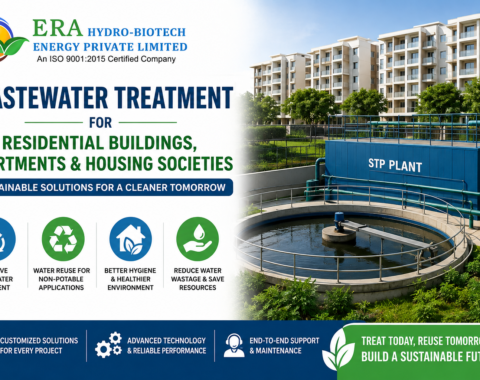
Water security also depends on how buildings and industries manage the water they already use. ERA Hydro-Biotech provides solutions for rainwater harvesting and groundwater recharge, sewage treatment plants (STP), and effluent treatment plants (ETP). These systems help property owners collect rainwater, treat wastewater, and explore ways to reuse water for suitable non-drinking purposes.
By combining rainwater collection with wastewater treatment and reuse, apartments and businesses can make better use of available water resources. This guide explains how rooftop rainwater harvesting works, which system suits Maharashtra’s rainfall conditions, and how housing societies can plan a reliable solution.
1. Why Does Low Rainfall Create Water Shortages in Maharashtra?
Maharashtra receives rainfall during the monsoon, but the amount and timing can vary across regions and years. Some areas may receive less rain than usual, while others may face long dry periods between rainfall events.
Low rainfall can affect water supply in several ways:
- Lower reservoir levels: Dams and reservoirs may store less water when rainfall drops.
- Reduced groundwater recharge: Less rain reaches the soil and underground water reserves.
- Higher tanker demand: Housing societies and businesses may buy more water from private suppliers.
- Rising water costs: Limited supply can increase the cost of water for residents and property managers.
- Pressure on local water sources: More people may depend on the same wells, borewells, and public supply systems.
Pune and nearby urban areas also face growing water demand as residential and commercial development expands. Rainwater harvesting cannot replace the city’s water supply, but it can help buildings make better use of the rain they receive.
2. What Is Rainwater Harvesting for Apartments?
Rainwater harvesting for apartments means collecting rain from building rooftops and other suitable surfaces, then storing it for later use or directing it into a suitable groundwater recharge system.
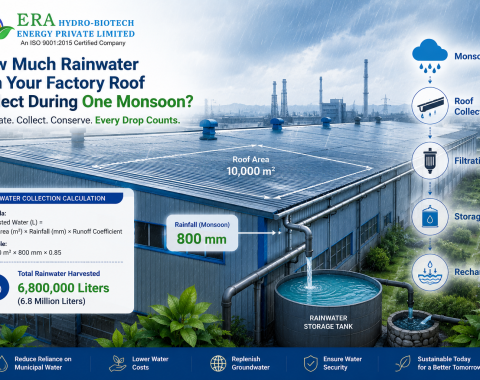
A typical apartment rainwater harvesting system includes:
- Roof catchment: The rooftop collects rainwater.
- Gutters and pipes: These carry rainwater towards a collection point.
- First-flush arrangement: This diverts the initial rain, which may carry dust, leaves, and other dirt from the roof.
- Filter: A suitable filter removes debris and reduces suspended dirt.
- Storage tank or recharge structure: The system stores filtered rainwater or directs it into a designed recharge pit, trench, or well.
- Overflow outlet: This safely directs excess water when the tank or recharge structure reaches its capacity.
The system’s design depends on the building’s roof area, local rainfall, water needs, soil conditions, and available space.
3. How Can Rooftop Rainwater Harvesting Improve Water Security?
Rooftop rainwater harvesting helps apartments capture a useful share of the rainfall that would otherwise run into drains. It can support water supply in several ways.
A. Collect rainwater for non-drinking uses
A storage tank can hold rainwater for suitable non-potable uses, such as:
- Garden watering
- Cleaning outdoor areas
- Washing common spaces
- Other approved uses that match the water quality
The building should use suitable filtration and, where needed, treatment before using stored rainwater. Residents should not drink untreated rooftop rainwater.
B. Recharge groundwater
A recharge system directs suitable, filtered rainwater into the ground. This can help replenish local groundwater when the site has suitable soil, geology, and groundwater conditions.
Apartments should not simply send rooftop water into a borewell without checking its condition and designing the recharge arrangement properly. A qualified expert should assess the site, water quality, and local requirements first.
C. Reduce dependence on water tankers
When a society collects rainwater and uses it for suitable purposes, it may reduce some of its demand for municipal water or tanker deliveries. The actual savings depend on rainfall, roof area, storage capacity, and how the society uses the collected water.
D. Manage heavy rainfall more effectively
A well-designed system can capture some rooftop runoff and guide excess water towards safe drainage or recharge structures. This may help reduce uncontrolled water flow around the building, although it cannot prevent all flooding or drainage problems.
4. Which Rainwater Harvesting System Suits Apartments in Maharashtra?
Apartment buildings can choose between storage, groundwater recharge, or a combination of both.
Rooftop rainwater harvesting with storage
This option collects roof runoff in a tank. Residents can use the water for suitable non-drinking purposes after checking its quality and providing the required treatment.
Best for: Housing societies with space for a storage tank and a clear plan for using the collected water.
Rooftop rainwater harvesting with groundwater recharge
This option collects roof runoff, filters it, and sends it to a suitable recharge structure. The design must consider soil conditions, groundwater levels, and local rules.
Best for: Sites where groundwater recharge is suitable and a qualified assessment confirms a safe design.
Combined storage and recharge system
A combined system stores some rainwater for use and directs suitable surplus water towards groundwater recharge or safe drainage.
Best for: Larger apartment complexes that have enough roof area and can support both storage and recharge.
A site assessment can help a housing society select the right approach instead of installing a system that does not match its water needs.
5. How Much Rainwater Can an Apartment Building Collect?
The amount of rainwater a building can collect depends mainly on its roof area, rainfall, and collection efficiency.
A simple estimate uses this formula:
Potential rainwater collection (litres) = Roof area (m²) × Rainfall (mm) × Runoff coefficient
The runoff coefficient accounts for water lost through wetting, evaporation, and other collection losses. A suitable value depends on the roof material and system design.
Example
Consider an apartment building with:
- Roof area: 1,000 m²
- Rainfall during a period: 500 mm
- Assumed runoff coefficient: 0.8
Estimated collection:
1,000 × 500 × 0.8 = 400,000 litres
This is a theoretical estimate for that rainfall period, not a promise of available water. Actual collection may be lower because of rainfall patterns, first-flush diversion, filter losses, leakage, and tank overflow.
A housing society should use local rainfall data and its actual roof measurements to estimate how much water it can collect.
6. How Can Housing Societies Plan Rainwater Harvesting in Pune?
If your society wants to install a rain water harvesting system in Pune, start with a site assessment and a clear water-saving goal.
Step 1: Check the roof and drainage
Measure the roof area and inspect its surface, gutters, downpipes, and existing drainage. Identify where rainwater flows and where the society can place filters and tanks.
Step 2: Review local rainfall and water use
Check rainfall records for the area and review the society’s water bills, tanker use, and daily demand. This helps set a realistic collection and storage target.
Step 3: Choose storage, recharge, or both
Decide whether the society needs stored rainwater for common uses, groundwater recharge, or a combined system. Check site conditions before selecting a recharge structure.
Step 4: Install suitable filters and safe overflow
Use filters that match the roof and expected flow. Plan a first-flush arrangement, regular access for cleaning, and a safe overflow route.
Step 5: Arrange professional installation
Work with an experienced rainwater harvesting provider to assess the site, plan the system, and install the required pipes, filters, tanks, and recharge structures.
Step 6: Maintain the system every year
Before the monsoon:
- Remove leaves and dirt from the roof and gutters.
- Check pipes, filters, and first-flush components.
- Clean storage tanks and inspect covers.
- Check recharge structures for blockages.
- Confirm that overflow pipes direct water safely.
Regular maintenance helps the system work when rain arrives.
7. Common Rainwater Harvesting Mistakes to Avoid
A system may collect less water than expected if the building does not plan it properly. Avoid these common mistakes:
- Ignoring roof cleanliness: Dirt and debris can reduce water quality and block filters.
- Choosing a tank without estimating demand: A tank that is too small may overflow; one that is too large may add unnecessary cost.
- Skipping first-flush diversion: The first rain can carry roof dirt into the system.
- Building recharge pits without a site check: Poor design can cause waterlogging or contaminate groundwater.
- Ignoring maintenance: Blocked gutters and filters can reduce collection.
- Using untreated rainwater for drinking: Rainwater needs appropriate testing and treatment before drinking.
A reliable design considers water quality, safety, maintenance, and local conditions—not just the amount of rain a roof can collect.
8. How ERA Hydro-Biotech Can Help with Rainwater Harvesting
ERA Hydro-Biotech Energy Pvt. Ltd. provides water and environmental solutions, including rainwater harvesting and recharge systems. The company can help property owners explore a system suited to their site and water needs.
For apartments, housing societies, and commercial properties, a rainwater harvesting project should begin with a review of the roof, drainage, rainfall, water demand, and available space.
Explore ERA Hydro-Biotech’s Rainwater Harvesting and Recharge Solutions to learn more about its services.
Planning a rainwater harvesting project in Pune or elsewhere in Maharashtra? Contact ERA Hydro-Biotech to discuss your property, review suitable options, and request a project consultation.
Frequently Asked Questions
What is the main benefit of rainwater harvesting for apartments?
It helps apartment buildings collect rainwater for suitable uses or groundwater recharge. This can reduce some dependence on external water supplies and improve water management during dry periods.
Is rooftop rainwater harvesting useful in Pune?
Yes. A rooftop system can help Pune apartments capture monsoon rain, store water for suitable non-drinking uses, or recharge groundwater where site conditions allow. The amount collected depends on roof area, rainfall, and system design.
Can rainwater harvesting solve water shortages in Maharashtra?
No single system can solve a large regional water shortage. However, rainwater harvesting can help buildings use available rainfall, reduce some water demand, and support local groundwater recharge when properly designed.
Can apartment societies use harvested rainwater for drinking?
Not without suitable treatment and water-quality testing. Rooftop rainwater may contain dirt, bird droppings, and other contaminants. Use it for non-drinking purposes unless a qualified treatment process makes it safe for drinking.
How much does a rainwater harvesting system cost in Pune?
The cost depends on roof size, tank capacity, filters, pipes, recharge structures, site conditions, and installation needs. A site assessment and project-specific quotation provide a more reliable estimate than a general price.
Does rainwater harvesting require regular maintenance?
Yes. Clean roofs and gutters, inspect filters and pipes, maintain tanks, and check recharge structures before and during the monsoon. Regular maintenance helps protect water quality and system performance.
What should a housing society check before installing a system?
Review roof area, rainfall, water demand, drainage, storage space, soil conditions, groundwater safety, maintenance needs, and applicable local requirements. Ask an experienced provider to assess the site before installation.
Conclusion
Low rainfall can put pressure on Maharashtra’s water supply, especially in growing cities and apartment communities. Rainwater harvesting gives buildings a practical way to capture monsoon rain, use it for suitable purposes, and support groundwater recharge where conditions allow.
For housing societies, rooftop rainwater harvesting works best when the system matches the building’s roof, water demand, and site conditions. A well-planned installation, regular maintenance, and safe water use can help improve local water security.
Explore ERA Hydro-Biotech’s rainwater harvesting solutions and request a consultation to discuss a suitable system for your apartment or property in Maharashtra.